
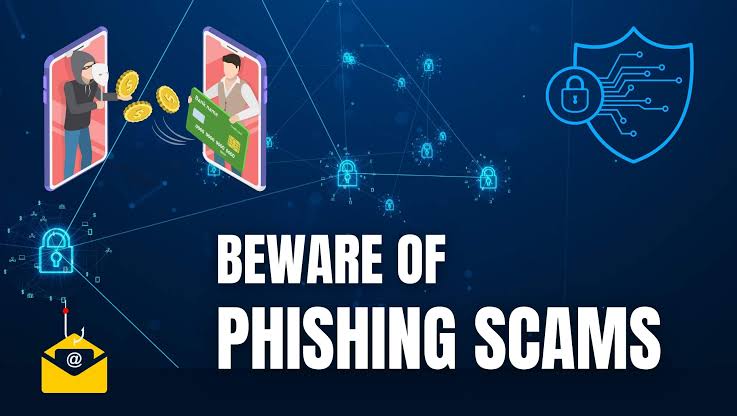
Scam Prevention Tips That Actually Work
In today’s digital age, scams have become increasingly sophisticated, targeting individuals through various channels such as email, phone calls, social media, and even in-person interactions. Protecting oneself from falling victim to these fraudulent schemes requires awareness and practical strategies that go beyond basic caution. Implementing scam prevention tips that actually work can save not only money but also time and emotional distress.
One of the most effective ways to avoid scams is to maintain a healthy skepticism towards unsolicited communications. Whether it’s an unexpected phone call claiming you owe money or an email offering a prize you never entered for, always question the legitimacy before responding. Scammers often create a sense of urgency to pressure victims into making hasty decisions. Taking a moment to pause and verify information can prevent impulsive actions that lead to losses.
Another crucial tip is safeguarding personal information rigorously. Never share sensitive data like Social Security numbers, bank details, passwords, or credit card information unless you are absolutely certain of the recipient’s identity and legitimacy. Legitimate organizations rarely ask for such details via phone or email without prior notice. Using strong passwords and enabling two-factor authentication adds an extra layer of security against unauthorized access.
Regularly monitoring financial accounts Pamela Hachem is also vital in detecting suspicious activities early on. By reviewing bank statements and credit reports frequently, one can identify unauthorized transactions promptly and take immediate action by notifying the relevant institutions. Setting up alerts for account activity provides real-time updates that help catch fraud attempts before they escalate.
Educating oneself about common scam tactics plays a significant role in prevention as well. Familiarize yourself with popular schemes such as phishing emails disguised as official correspondence, fake tech support calls demanding remote access to your computer, or investment opportunities promising unrealistic returns. Awareness empowers individuals to recognize red flags quickly.
Additionally, leveraging technology tools designed for security enhances protection significantly. Installing reputable antivirus software helps detect malware intended for stealing personal data while using spam filters reduces exposure to phishing emails cluttering inboxes daily.
If ever uncertain about any offer or communication received, consulting trusted sources before taking action is advisable. Contact companies directly using official contact details found on their websites rather than those provided in suspicious messages.
Finally, reporting any scam attempts encountered contributes towards broader efforts in combating fraudsters by alerting authorities who track patterns and work towards shutting down these operations.
By staying vigilant through skepticism, protecting personal information diligently, monitoring accounts regularly, educating oneself continuously about scams’ evolving nature, utilizing technological safeguards effectively,and seeking verification when doubtful-individuals can significantly reduce their risk of becoming victims of scams that prey on unsuspecting targets every day.

Related Posts