How HVAC Repair Services Use Static Pressure to Detect Airflow Problems
HVAC systems play a crucial role in maintaining indoor comfort by regulating temperature, humidity, and air quality. However, when these systems experience airflow problems, the efficiency and effectiveness of heating or cooling can be significantly compromised. To diagnose such issues accurately, HVAC repair services often rely on measuring static pressure within the system.
Static pressure is essentially the resistance to airflow in an HVAC system’s ductwork. It is measured in inches of water column (in WC) and provides valuable insights into how well air moves through the ducts. When static pressure is too high or too low compared to the manufacturer’s specifications, it indicates potential problems that need addressing.
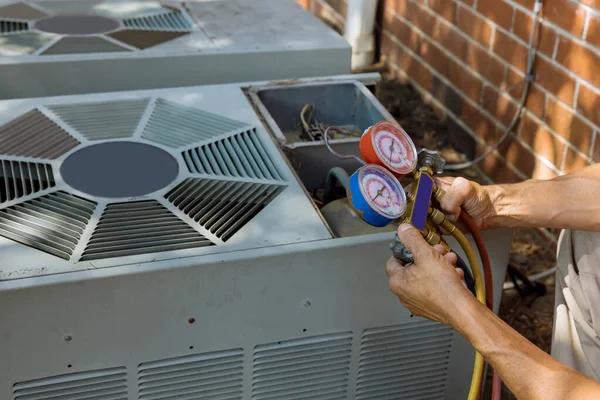
One primary method Bellevue HVAC Services technicians use involves measuring static pressure at different points within the system—specifically before and after key components like filters, coils, fans, and dampers. By doing this, they can pinpoint where excessive resistance or blockage might be occurring. For instance, if there is a significant drop in static pressure across a filter or coil beyond normal levels, it could suggest clogging due to dirt accumulation.
Additionally, comparing static pressure readings with standard values helps technicians determine whether ductwork design flaws are causing inefficiencies. Poorly designed ducts may have sharp turns or constrictions that create unnecessary resistance to airflow. In such cases, even with clean components functioning optimally elsewhere in the system, overall performance can still suffer due to these structural issues.
Another common issue detected through static pressure measurement is related to blower performance. The blower fan must generate sufficient force to move air throughout the entire building efficiently; however if it’s not operating correctly—whether due to mechanical failures like worn-out bearings or incorrect speed settings—it won’t produce adequate airflow despite other parts functioning properly.