How a Roofing Contractor Improves Energy Efficiency
A roofing contractor plays a vital role in enhancing the energy efficiency of a building by addressing key aspects related to insulation, ventilation, and materials. When a roof is properly installed or repaired by an experienced professional, it helps maintain consistent indoor temperatures, reducing the need for excessive heating or cooling. This directly translates into lower energy bills and increased comfort for occupants throughout the year.
One of the primary ways a roofing contractor improves energy efficiency is through proper insulation installation. Insulation acts as a barrier that prevents heat from escaping during colder months and keeps unwanted heat out during warmer seasons. A skilled contractor ensures that insulation layers are evenly applied beneath the roofing material without gaps or compression, which can compromise performance. They also recommend appropriate types of insulation based on climate conditions and building design to maximize thermal resistance.
In addition to insulation, ventilation is crucial in maintaining an energy-efficient roof system. Roofing contractors evaluate attic ventilation systems to ensure adequate airflow that removes excess heat and moisture buildup under the roof deck. Proper ventilation helps prevent overheating in summer months, which reduces strain on air conditioning units while also minimizing risks such as mold growth or structural damage website caused by trapped moisture. Contractors may install ridge vents, soffit vents, or other venting solutions tailored to each home’s specific needs.
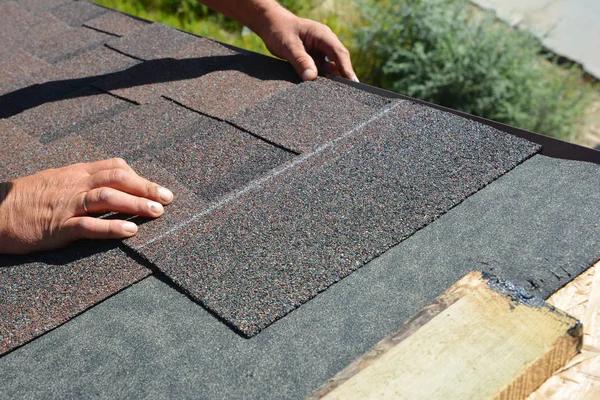
The choice of roofing materials significantly impacts overall energy efficiency as well. Contractors guide homeowners toward reflective shingles or cool roofs designed to reflect more sunlight and absorb less heat compared to traditional dark-colored options. These materials help keep homes cooler naturally without relying heavily on mechanical cooling systems. Furthermore, some modern roofing products include integrated radiant barriers that further reduce heat transfer into living spaces.
During roof replacement projects, contractors often inspect existing structures for leaks or damage that could lead to air infiltration-another factor contributing to higher energy consumption. Sealing gaps around chimneys, skylights, vents, and flashing prevents warm air from escaping in winter and hot air from entering in summer.
By combining expert knowledge with quality workmanship focused on insulation integrity, effective ventilation strategies, smart material choices, and meticulous sealing techniques, roofing contractors contribute significantly toward creating buildings with improved energy performance. Their work not only supports environmental sustainability but also enhances homeowner savings over time through reduced utility expenses associated with heating and cooling demands. Engaging a reputable contractor ensures these benefits are realized efficiently while extending the lifespan of the roof itself through proper maintenance practices aligned with energy-conscious construction principles.